2026年是世贸组织提出“促贸援助”倡议20周年。援外成套项目案例《中国:助力赞比亚农产品行业工业化发展》入选“促贸援助”倡议“影响力案例”,并于7月9日正式刊发于世贸组织官网“促贸援助”20周年成功案例故事专栏。该案例以无偿援助项目援赞比亚玉米粉加工厂为切口,讲述了我国落实中非合作论坛北京峰会成果,助赞建成覆盖玉米种植、生产、加工、仓储的完整产业链体系的生动实践。
该项目由商务部国际经济合作事务局负责组织实施和监督管理,主要内容为在赞蒙泽和姆皮卡两个城市各援建一座日加工能力240吨的玉米粉加工厂,同时在卢萨卡中方援建的农业示范中心内建设一座日加工能力40吨的示范工厂,用于培训赞方技术人员并进行小规模玉米粉加工。
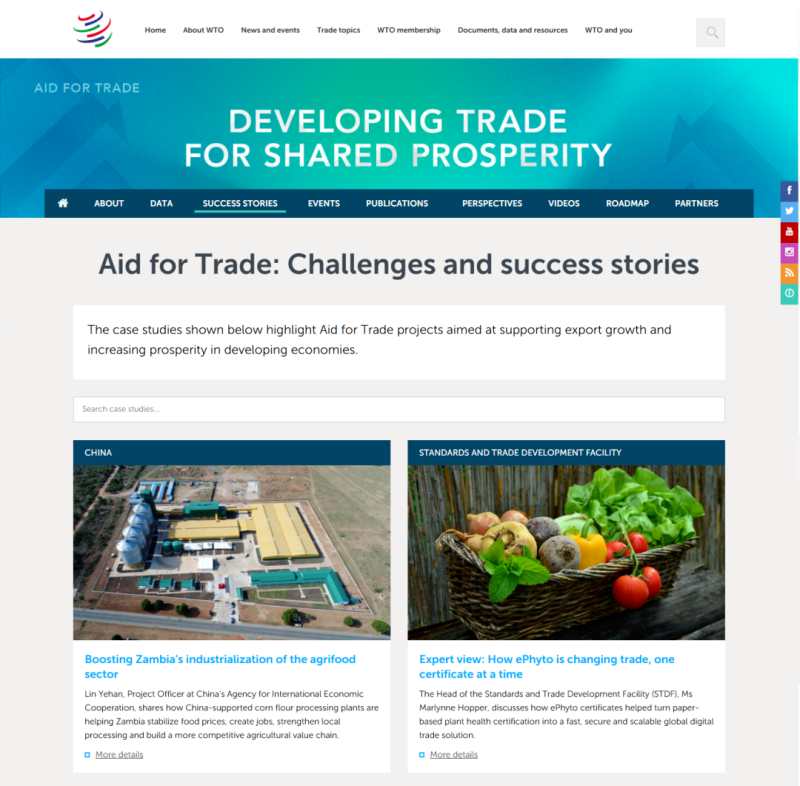
故事转载
(原文英文,附中文翻译)
China: Boosting Zambia's industrialization of the agrifood sector
中国:助力赞比亚农产品行业工业化发展
What challenge was Zambia facing?
赞比亚面临什么挑战?
Corn flour prices were rising, putting pressure on households and making price stability a national priority. At the same time, parts of the country lacked modern processing facilities, storage capacity and a complete corn value chain. Zambia was producing corn, but too much value was being lost because local processing capacity remained limited.
玉米粉价格持续上涨给普通家庭带来生活压力,因此赞比亚将稳定玉米粉价格作为国家优先事项。与此同时,赞比亚部分地区缺少现代化的加工、仓储设施以及完整的玉米产业链。赞比亚虽然是玉米种植国,但由于本地加工能力有限,大量附加值流失。
Why did local processing matter so much?
本地化加工为何如此重要?
Local processing is where agriculture output becomes input for industry. Without modern plants, corn often moves through separate and fragmented systems, with higher transport costs, lower value addition and fewer opportunities for local businesses and workers. Strengthening local processing means more of the value stays in Zambia — through jobs, skills, lower costs and stronger market opportunities.
本地化加工是农业产出转化为工业投入的关键环节。没有现代化工厂,玉米往往在碎片化体系中流通,导致运输成本更高、附加值更低,本地企业和工人的机会也相应更少。加强本地化加工能力意味着更多价值可以留在赞比亚——通过就业岗位、技能提升、成本降低和更广阔的市场机遇来实现。
What was the solution?
解决方案是什么?
China provided grant assistance to build three corn flour processing plants in Zambia, implementing outcomes from the Beijing Summit of the Forum on China-Africa Cooperation. The project was funded by Chinese government grants, organized and implemented by China's Ministry of Commerce, and designed to support Zambia's agricultural modernization.
中国通过无偿援助在赞比亚建设了三座玉米粉加工厂,这是中非合作论坛北京峰会的成果之一。该项目由中国政府无偿援助,由中国商务部组织实施,旨在支持赞比亚农业现代化。
What made this project different from a standard infrastructure investment?
这个项目与常规基础设施投资有何不同?
It did not focus only on building factories. It connected the whole corn industry value chain — from cultivation and production to processing and storage. One of the plants was located at the China-aid Agricultural Technology Demonstration Center, built in 2011, which had already supported improvements in corn production capacity.
它不仅仅聚焦于建设工厂,而是连接了整个玉米产业链——从种植、生产到加工和仓储。其中一座工厂坐落于2011年建成的中国援赞农业技术示范中心内,该中心此前已帮助赞提升玉米生产能力。
When were the plants completed?
工厂何时建成?
The three plants were completed and handed over in 2022. China also provided long-term technical support and training to help local workers develop the capacity to operate and maintain the facilities.
三座工厂于2022年建成并移交。中方还提供了长效技术支持和培训,帮助当地工人掌握工厂设施运营和维护的能力。
What has the project delivered for jobs and skills?
项目在就业和技能培养方面带来了哪些成果?
The project has trained more than 700 local workers and created around 500 jobs. That means the investment is not only improving agricultural processing; it is also helping local people gain skills, earn income and participate in a more modern agro-processing sector.
项目已培训了700多名当地工人,并创造了约500个就业岗位。这意味着这个项目不仅提升了当地农产品加工能力,还帮助当地人掌握技能、获得收入,并参与到更现代化的农产品加工行业中。
What difference has it made to production?
在生产方面带来了哪些变化?
The plants can process more than 500 tons of corn per day. This increases Zambia's capacity to turn raw corn into higher-value corn flour, reduces processing and transport costs, and strengthens the overall agricultural industry chain.
工厂日加工能力超过500吨玉米。这提升了赞比亚将玉米原产品转化为高价值玉米粉的能力,降低了加工和运输成本,并加强了整个农业产业链。
How does this help consumers?
这对消费者有何帮助?
By expanding local processing capacity and reducing costs, the project helps stabilize corn flour prices. That matters because corn flour is an essential food product. More efficient processing can help improve food affordability and reduce pressure on households.
通过增强本地加工能力并降低成本,该项目有助于稳定玉米粉价格。其重要之处体现在玉米粉是基本食品,更高效的加工可以提升食品购买力,减轻普通家庭压力。
How does this support trade?
这对贸易有何支持?
Stronger processing capacity improves product quality, value addition and competitiveness. This helps Zambia move beyond raw agricultural production toward higher-value agro-processing, making its corn products more competitive in domestic and export markets.
更强的加工能力有助于提高产品质量、附加值和竞争力。这帮助赞比亚从原材料生产向高附加值农产品加工迈进,使其玉米产品在当地和出口市场上更具竞争力。
What does the project show about agricultural modernization?
这个项目展现了农业现代化的哪些方面?
It shows that modern agriculture is not only about growing more crops. It is about building the systems around production: processing, storage, logistics, technical skills and market access. When the whole chain is strengthened, agriculture can support livelihoods, industry and trade at the same time.
项目表明,现代农业不仅仅是种植更多作物,更是要围绕生产构建完整的体系:加工、仓储、物流、技术技能和市场准入。当整条产业链得到加强,农业就能同时支撑民生、工业和贸易。
What do beneficiaries say?
受益者怎么说?
Robster Mwanza, who lives in the Monze District in Zambia, said: "I used to do odd jobs nearby, with a fluctuating income. Now, I work in a modern corn flour processing plant, my family's monthly income has doubled, and I have bought decent furniture for my family."
居住在赞比亚蒙泽区的罗布斯特·姆万扎说:“我以前靠打零工为生,收入不稳定。现在我在一家现代化的玉米粉加工厂工作,家庭月收入翻了一番,我还为家里添置了像样的家具。”
来源:世贸组织官网


 欢迎来到中国南南合作网